


FREE for teachers – ask questions live from India’s Land of the Tiger

Completely free for schools and teachers
From 9am, 26 January to 2 February 2026
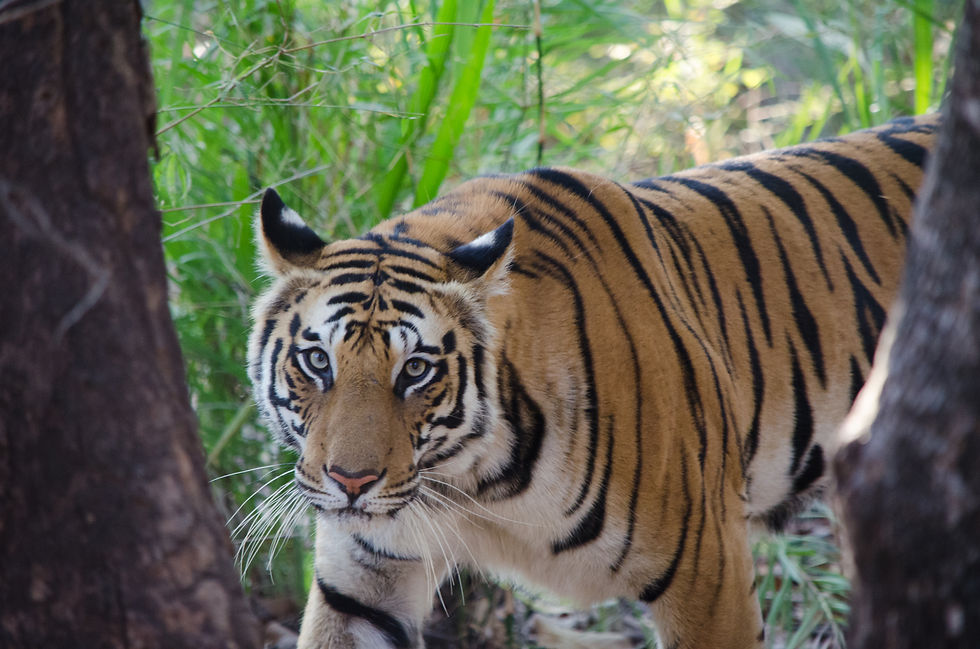
This January, your class is invited to take part in a live expedition to central India, following artist John Dyer as he works in the forests and villages of Pench, the landscape that inspired The Jungle Book.
What makes this expedition truly special is that it is two-way. This is not something children simply watch. Your pupils can ask real questions and receive real answers, live from the jungle.
There is no cost, no subscription, and no pressure. Schools can join in as much or as little as suits their timetable.
The heart of the expedition – your class questions
At the centre of this project is a daily question and answer conversation with schools.
Each day, classes are invited to send in their questions, such as:
Why do tigers need such large territories
What plants grow in the jungle and why
How people live alongside wildlife
What it feels like to paint in the forest
What sounds, smells, or moments stood out that day
John and the local team will answer these questions in the next day’s videos and blogs, filmed on location in the forest or villages.
When we answer your questions, we will name-check your school live from India, which children find hugely motivating and memorable. Many classes end up watching more closely just to hear their school mentioned.
Questions can be sent in at any time, and teachers often find this becomes the most powerful part of the learning experience.
Each school day during the expedition, we will share:
A short daily video, filmed in the forest, on safari, or in villages
A daily blog, written live from India
Clear invitations for schools to send in questions for the next update
Children quickly realise they are helping shape what happens next, and that sense of involvement transforms attention and curiosity.
Safaris that spark questions

A key part of the expedition is time spent inside the tiger reserve itself.
We will be taking part in morning and afternoon jeep safaris, guided by local conservationists including Mandar Pingle, Deputy Director of the Satpuda Foundation, alongside team members Yashvardhan Dalmia, Network Support Officer Satpuda Landscape Tiger Partnership at Born Free
These safaris give children something concrete to question and discuss:
How tigers protect whole ecosystems
What signs of wildlife can be found even when animals are not seen
How forests change from morning to afternoon
Why rivers, grasslands, and trees all matter
Some of the best class questions often come from moments where something unexpected happens, or where the forest feels quiet rather than dramatic.
Villages, people, and shared stories

Alongside the safaris, we will visit Gond tribal villages, giving children insight into daily life, culture, and coexistence with the forest.
Planned visits include:
Sawara, with active Gond dance traditions and farming life
Kolitmara, set on the banks of the Pench River
If time allows, we will also visit:
Wagholi, meeting Gond families in their homes
Pachdhar, a pottery village where clay supports the whole community
These visits often lead to thoughtful questions from children about culture, tradition, work, and how people and wildlife share the same landscape.
We are also working to arrange time with Ummed Singh Patta, a renowned Gond artist, so John can paint alongside him and learn directly from local artistic traditions, this still needs to be confirmed, but we will keep our fingers crossed!
Cross-curricular learning through conversation

Because children are asking questions themselves, the expedition naturally supports learning across subjects:
Geography through landscape, rivers, and settlement
Science through ecosystems, food chains, and habitats
Art through observation, pattern, colour, and storytelling
English through questioning, discussion, and reflection
Citizenship through global awareness and responsibility
Even without our formal teaching resources that will follow later in 2026 after the expedition, the daily blogs and Q&A videos act as rich starting points for lessons, debate, and creative work.
Painting as a response to learning
Teachers are encouraged to give children time to create one considered artwork, inspired by what they see, hear, and ask about.
The questions children ask often directly shape what they choose to paint.
Finished artworks can be submitted to our WorldGallery.online, where children’s paintings from around the world sit together as a record of shared learning.
How to take part
Watch the daily video with your class
Read the daily blog together
Send in your class questions regularly
Listen for your school being named in our responses
Encourage children to paint their best-ever artwork
Submit their work to the World Gallery
Everything is linked from lastchance.live, which takes you straight to the live expedition page, videos, blogs, and the class question form.
Join the conversation – it’s free
This is a chance for your class to ask questions, be heard, and be part of a real expedition, all live and all free for teachers and schools.
We would love your school to join us in the Land of the Tiger, and to help shape the journey with your questions.


Comments